What to Do in the First 30 Minutes
- 1Stop the water if you safely can. Most King County homes have a main shutoff where the water line enters the house, often in the crawl space, garage, or near the water heater, plus a valve at the meter box near the street.
- 2Stay away from electricity. If water is near outlets, cords, or the electrical panel, don't walk through it. Turn off power at the breaker only if you can reach it from a dry spot.
- 3Keep out of sewage. If the water came from a toilet, floor drain, or sewer line, keep children and pets away and don't try to mop it up.
- 4Take photos and video of the water, the source, and damaged belongings before anything is moved. Your insurance company will ask for them.
- 5Move what you can. Lift rugs, electronics, documents, and photos off wet floors. Put foil or plastic under furniture legs.
- 6Call for help and call your insurer. Most homeowners policies expect you to take reasonable steps to prevent further damage, so don't wait for an adjuster to visit before drying starts.
Water Damage Services We Can Connect You With
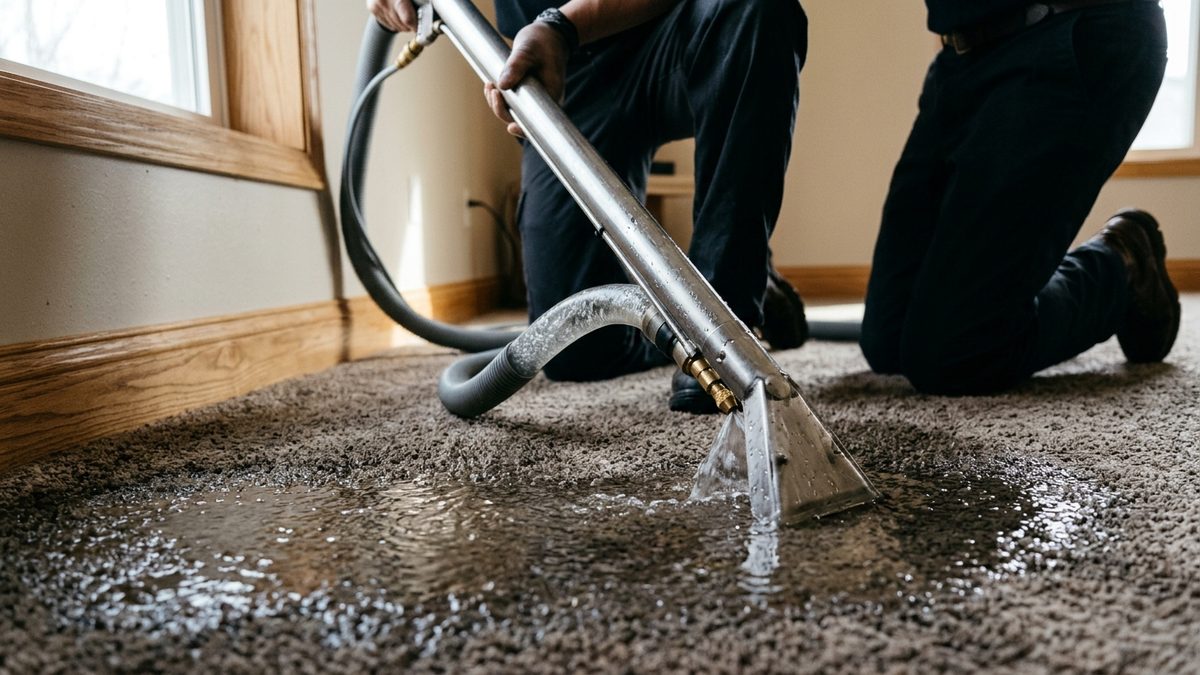
Emergency Water Extraction
Pumping and vacuuming standing water out of floors, carpet, and lower levels so drying can start. Emergency water extraction
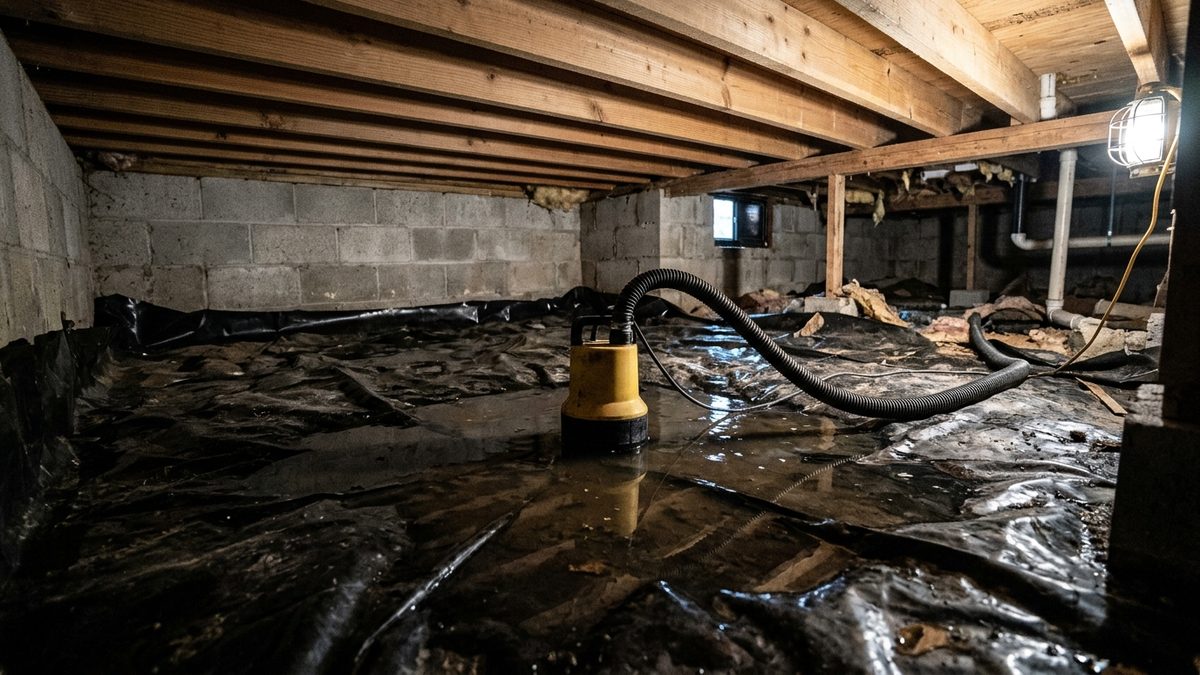
Crawl Space & Basement Flood Cleanup
Pumping flooded crawl spaces, removing wet insulation and vapor barrier, and drying daylight and finished basements after groundwater, sump pump, or plumbing failures. Crawl space & basement cleanup
Burst & Frozen Pipe Cleanup
Drying ceilings, walls, and floors after a burst supply line, frozen pipe, water heater, or appliance leak. Burst pipe cleanup
Sewage Backup Cleanup
Safe removal, cleaning, and disinfection after toilet, floor drain, main sewer line, or septic backups (Category 3 "black water"). Sewage backup cleanup
Structural Drying & Dehumidification
Commercial dehumidifiers, air movers, and daily moisture readings to dry subfloors, framing, drywall, and hardwood. Structural drying
Moisture Inspection & Mold Prevention
Moisture meters and thermal imaging to find hidden water before it turns into a mold problem. Moisture inspection
Why Water Damage Is So Common in King County
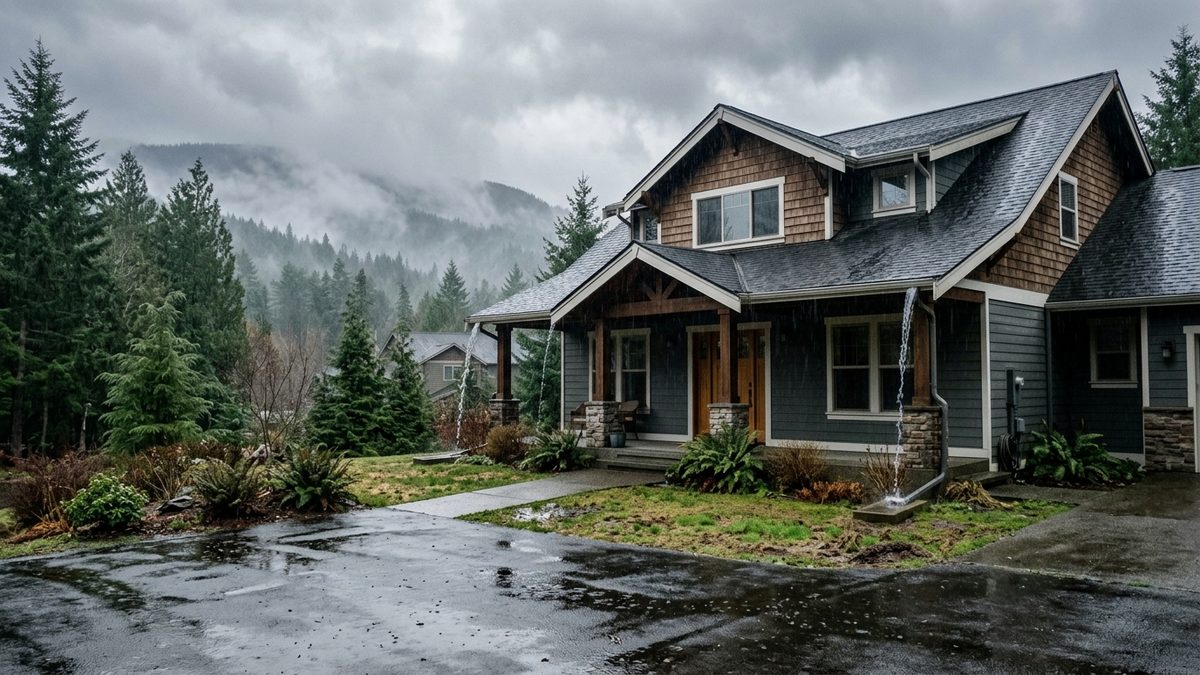
- Long, wet winters. From October through April, back-to-back storms and atmospheric rivers soak the ground. Once soil is saturated, groundwater finds its way into crawl spaces and daylight basements.
- River valleys and creeks. The Snoqualmie, Cedar, Green, and White rivers, and creeks like Issaquah Creek and Bear Creek, run right past neighborhoods. During high water, nearby homes can see seepage and backups even when the river stays in its banks.
- Windstorms and power outages. A sump pump can't run without power. Outages during winter storms are one of the most common reasons basements and crawl spaces flood.
- Cold snaps. Hard freezes don't happen every year here, so many pipes in crawl spaces, exterior walls, garages, and foothill cabins aren't protected. When a freeze finally comes, pipes burst, and they often start leaking only when they thaw.
- The houses themselves. Many King County homes sit on crawl spaces, older homes still have aging galvanized supply lines, and newer two-story homes often have upstairs laundry rooms where a failed hose can soak two floors.
Areas Served
Snoqualmie Valley & Cascade foothills: Duvall · Carnation · Fall City · Snoqualmie · North Bend
Southeast King County: Maple Valley · Enumclaw · Black Diamond · Ravensdale & Hobart
Surrounding King County Communities: Call (425) 675-3040 to check live availability for surrounding Eastside and South King County ZIP codes.
How the Call Works
- 1You call (425) 675-3040, day or night.
- 2You answer a few quick questions: your ZIP code, where the water is coming from, how long it's been there, roughly how many rooms are wet, and whether it's clean water or sewage.
- 3You're connected with a restoration company that serves your area.
- 4The company explains next steps: when they can come out, what the inspection involves, and how billing and insurance work. You decide whether to hire them.
The referral is free. If you hire a contractor, you (or your insurer) pay that company directly.
A Quick Word on Insurance
Standard homeowners policies usually cover water damage that is sudden and accidental, such as a burst pipe or a failed appliance hose. They usually do not cover slow leaks that went on for weeks, rising floodwater from outside (that requires separate flood insurance), or sewer backups unless you have a water backup endorsement. Every policy is different, so read yours or call your agent. Our insurance claims guide walks through the process.
How to Choose a Restoration Company
Whoever you hire, it's worth checking:
- Washington L&I contractor registration. Contractors working on homes in Washington must be registered with the Department of Labor & Industries. You can look them up on the L&I website.
- IICRC training. The IICRC S500 is the industry standard for water damage restoration. Ask whether the technicians on your job are IICRC-certified.
- Written moisture readings. A good company measures and records moisture every day until the job is dry.
- A clear authorization form. Read what you sign, especially anything that involves insurance payments.
Frequently Asked Questions
How fast can someone get to my home?
It depends on your location, the time of day, and how many calls are coming in. During a regional storm, demand spikes. The company you're connected with will give you an arrival estimate on the phone.
Is it really free to call?
Yes. The referral costs you nothing. You only pay if you choose to hire a restoration company, and many sudden water losses are billed to homeowners insurance.
Can I just dry it myself with fans?
For a small spill on a hard floor that you caught right away, maybe. For anything that soaked carpet, drywall, a subfloor, or a crawl space, household fans won't pull the moisture out of the structure, and hidden moisture is what leads to mold and rot.
Do you handle fire or smoke damage?
No. This service focuses only on water: extraction, crawl spaces and basements, burst pipes, sewage backups, drying, and moisture inspection.