1. Why You Shouldn't Wait for an Adjuster Before Stopping the Damage
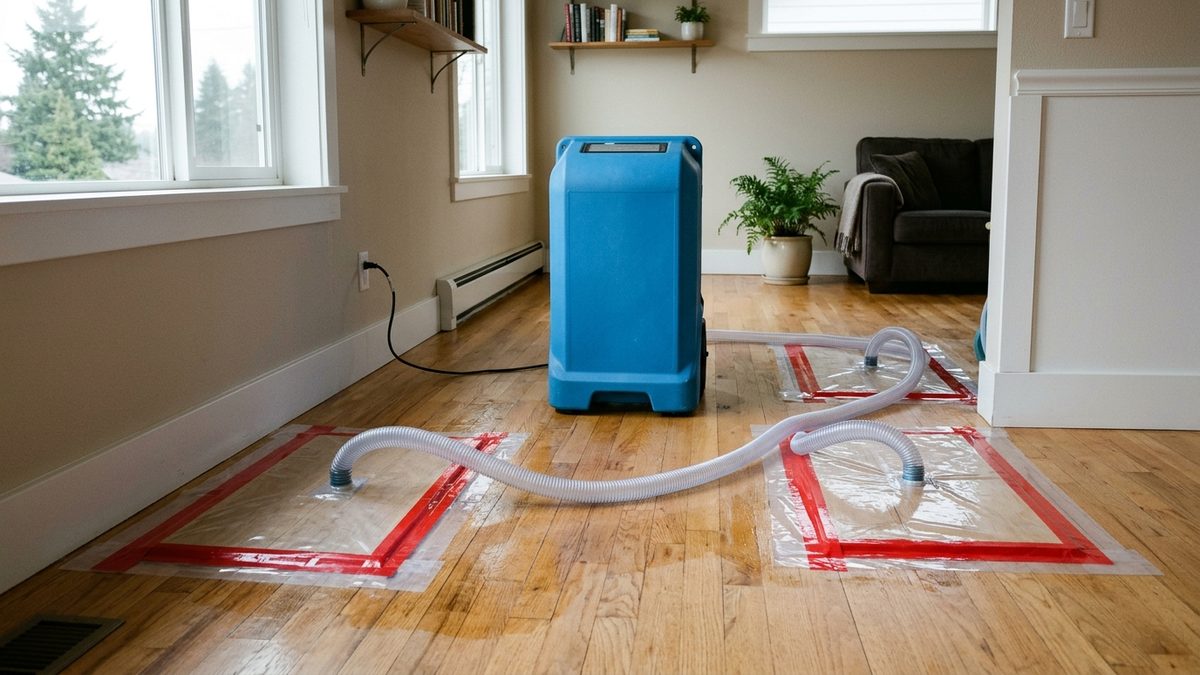
Nearly every standard homeowners insurance policy includes a clause often called "Duties After Loss" or "Duty to Mitigate." In plain English, it means the homeowner is expected to take reasonable emergency steps to protect the property from further damage once a leak is discovered—such as shutting off the water and getting standing water extracted and dried.
If water is left sitting for a week while waiting for an adjuster to visit, the insurer may question secondary damage (such as mold or warped floors beyond the initial leak area) that happened because mitigation was delayed.
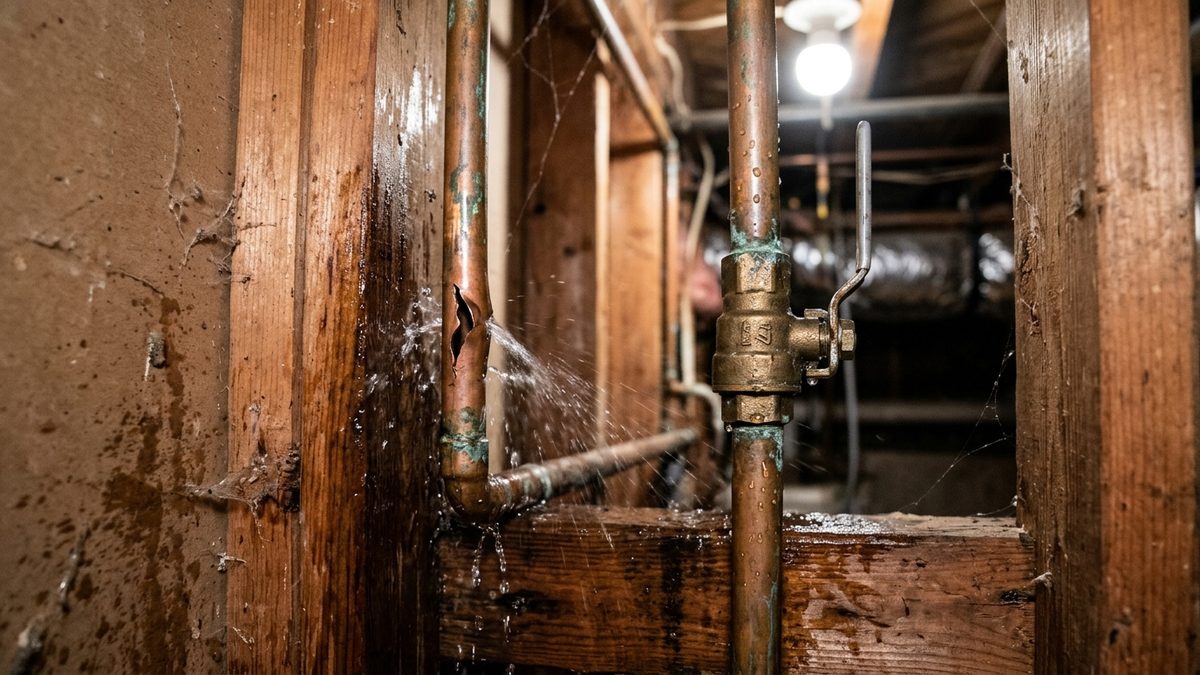
The golden rule: Document everything with clear photos and video before anything is moved, keep the broken plumbing part if a pipe or valve failed, and start water extraction right away.
2. What Standard Policies Usually Cover vs. What Usually Requires Extra Coverage
Always read your own policy declarations and exclusions, as coverage varies by carrier and policy form:
Often Covered ("Sudden and Accidental" Internal Water Discharge)
- Burst or frozen pipes (provided the home wasn't left vacant without heat or water shut off)
- Sudden appliance overflows or hose ruptures (washing machines, dishwashers, refrigerator ice-maker lines)
- Sudden water heater ruptures (the resulting water damage to floors and walls is often covered, even though replacing the worn-out tank itself usually is not)
- Sudden toilet or tub overflows involving clean or gray water
- Rain entering through a sudden storm-damaged opening in the roof or wall (for example, when a falling branch punches a hole in the roof)
Often Excluded unless You Have a Separate Endorsement or Policy
- Slow, long-term leaks or seepage that went on for weeks, months, or years
- Rising outside floodwater or surface runoff (such as river flooding in the Snoqualmie, Cedar, or Green River valleys, or overland mud/stormwater—this typically requires a separate Flood Insurance policy through the NFIP or a private flood insurer)
- Groundwater seepage through foundation walls or crawl space soil
- Sewer, septic, or sump pump backups—unless you added a Water Backup and Sump Discharge Endorsement to your homeowners policy
- Cost to repair the broken pipe or appliance itself (insurance usually pays for the resulting water damage to the house, not the plumber's bill to replace a worn valve)
3. Step-by-Step: How to Document Your Water Loss
- 1Take wide and close-up photos and video of the standing water, the rooms affected, and any damaged belongings before cleanup starts.
- 2Photograph and save the failed part. If a braided supply line, washing machine hose, pipe fitting, or valve burst, take a clear photo of it and ask your plumber to leave the broken piece with you. Adjusters often ask to see it.
- 3Keep receipts for emergency plumber visits or supplies.
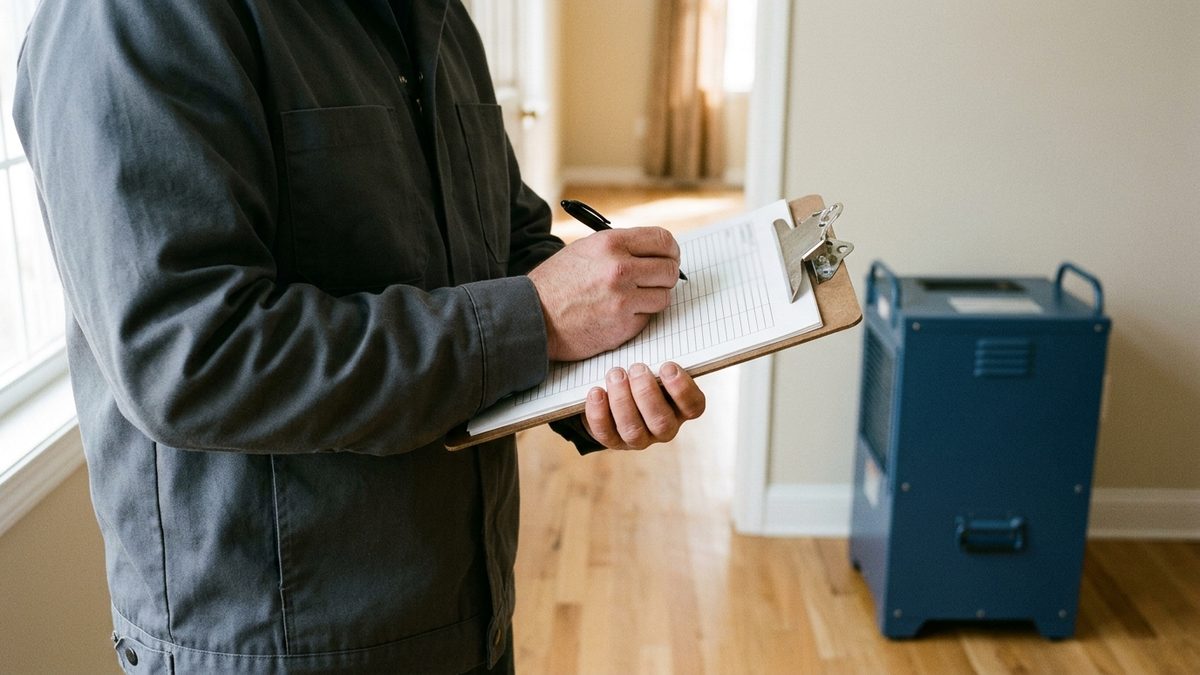
- 4Ask the restoration company for full drying documentation. Reputable restoration companies record initial moisture mappings, thermal images, equipment counts, and daily moisture meter readings, and many prepare estimates in industry-standard software (such as Xactimate) that insurance adjusters use.
- 5Read any work authorization before signing. Make sure you understand the scope of emergency mitigation, how the company bills your insurer, and what your deductible or out-of-pocket responsibility is if a claim is not covered.
4. Questions to Have Ready When You Call (425) 675-3040
When you call to be connected with a local restoration company, having these details handy helps get the right crew dispatched quickly:
- Your King County address and ZIP code
- Where the water came from (burst pipe, appliance, roof leak, crawl space groundwater, or sewer/septic backup)
- Whether the water source is shut off
- Roughly how many rooms or levels are affected
- Your insurance carrier's name (if you plan to file a claim—or let them know if you prefer a self-pay quote)
Frequently Asked Questions
Should I call a restoration company if I'm not sure whether my deductible is higher than the damage?
Yes. You can ask the restoration company to inspect the moisture levels and give you an idea of how far the water spread before you decide whether to open an insurance claim or pay directly.
Does the restoration company bill my insurance directly?
Many local restoration companies in King County work with major homeowners insurance carriers and can submit mitigation documentation and invoices directly when there is an active, covered claim. Ask the company you're connected with how their billing process works.