Why the First Few Hours Matter
Water damage gets worse on a predictable timeline:
- Within minutes to hours: water spreads under baseboards and into carpet pad, wicks up drywall, and swells particleboard and MDF in cabinets and furniture.
- Within a day or two: hardwood begins to cup, drywall softens, paint bubbles, and musty odors start. The EPA recommends drying water-damaged materials within 24 to 48 hours to help prevent mold growth.
- After that: materials that could have been dried often have to be torn out and replaced, and the repair bill grows.
How fast the water comes out is the biggest factor in how much of your home can be saved.
What Professional Water Extraction Involves
- 1Safety check and source. The technician confirms the water source is stopped and checks for electrical hazards.
- 2Water category. Clean water from a supply line is handled differently from gray water (dishwasher, washing machine) or black water (sewage, outside floodwater). The category decides what can be dried and what has to be removed.
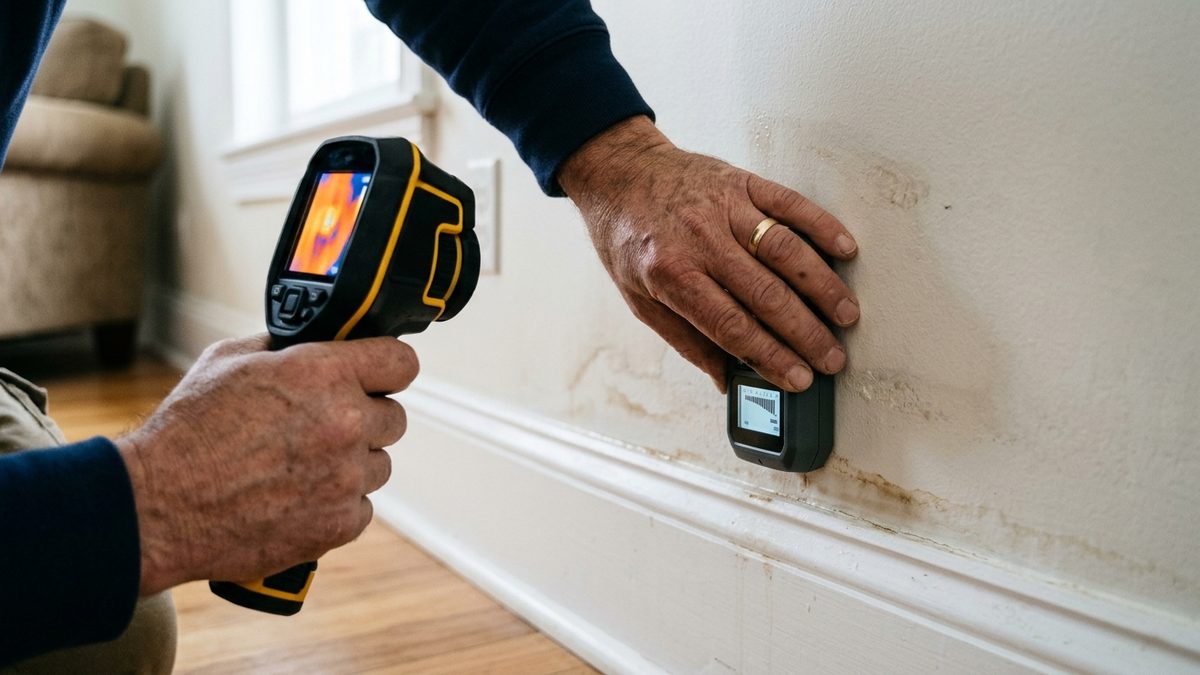
- 3Mapping the damage. Moisture meters, and often a thermal camera, show how far the water traveled. It's usually farther than it looks.
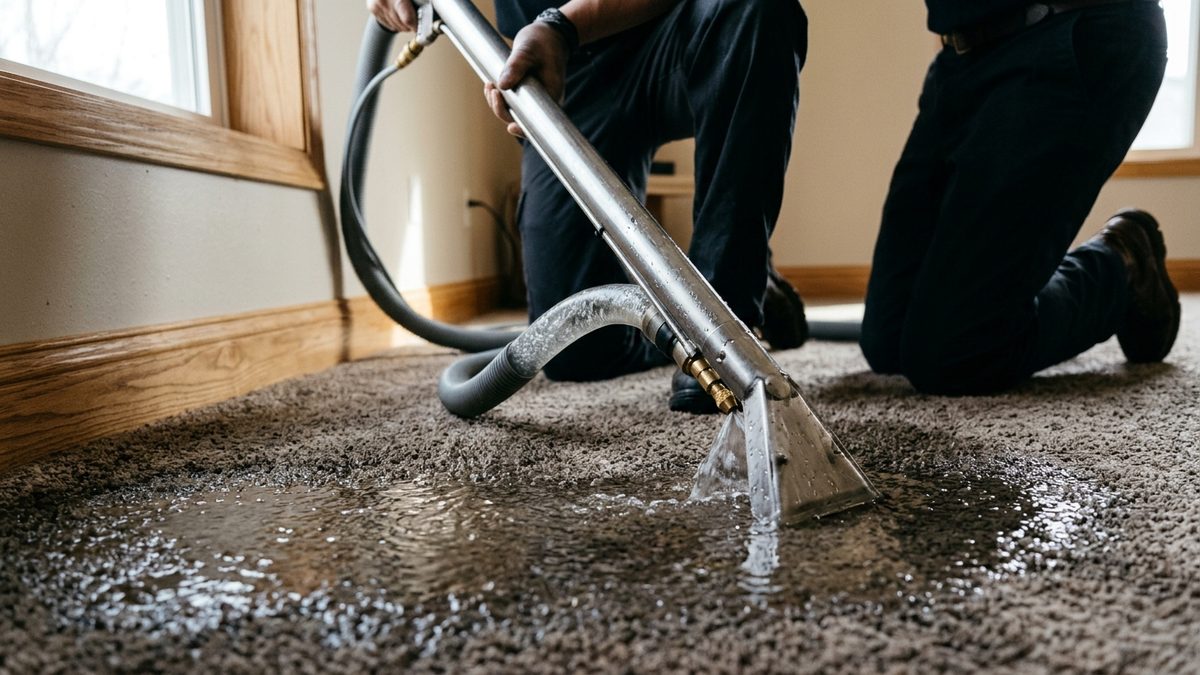
- 4High-volume extraction. Truck-mounted or portable extractors pull water out of carpet and hard floors. Submersible pumps handle deeper water in basements and crawl spaces. Weighted extraction tools squeeze much more water out of carpet and pad than a surface wand.
- 5Contents and materials. Furniture is moved or blocked up, and wet pad or swollen materials are removed when they can't be dried.
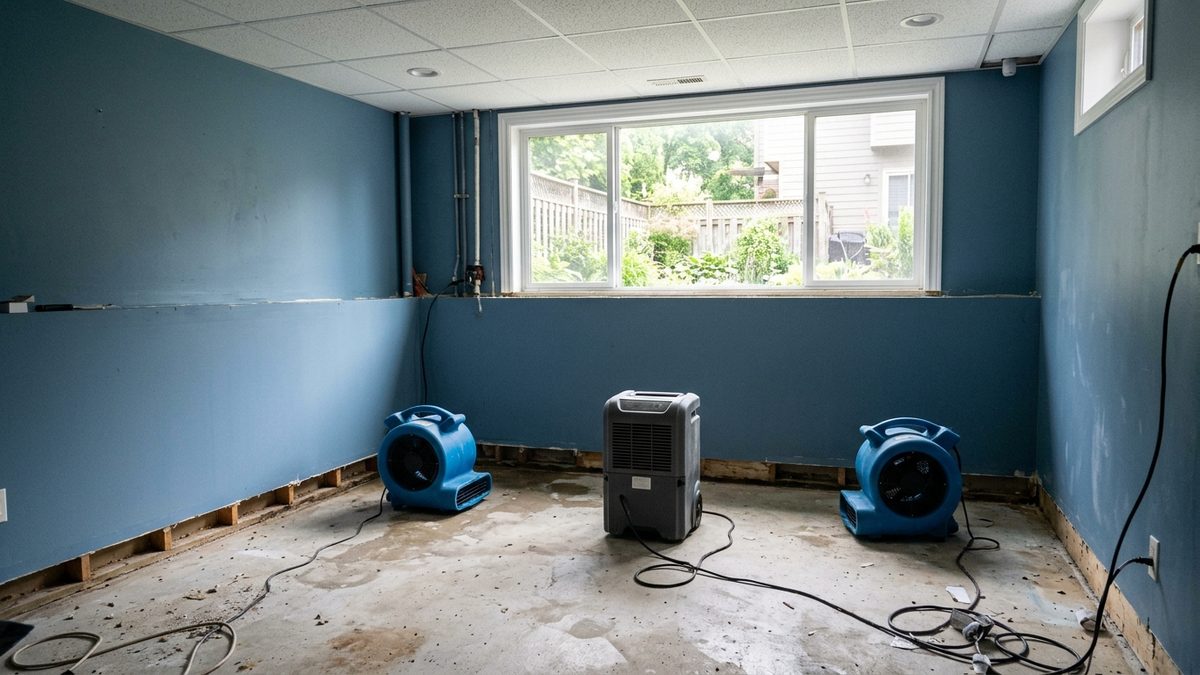
- 6Drying setup. Dehumidifiers and air movers go in right after extraction. See structural drying.
Shop Vac vs. Professional Extraction
A wet/dry vacuum is better than nothing for a small spill. But it only removes surface water and fills up after a few gallons. Commercial extractors pull far more water out of carpet and pad in far less time. Every gallon removed by extraction is a gallon that doesn't have to evaporate, which can shorten drying by days.
Common Sources of Standing Water in King County Homes
- Burst or frozen pipes in crawl spaces, exterior walls, and garages
- Washing machine hoses, dishwasher lines, and refrigerator ice-maker lines
- Water heaters failing in garages, closets, and basements
- Toilet supply lines and overflowing toilets
- Sump pumps that stop during a power outage
- Groundwater coming up through slabs and basement walls during long rainy stretches
- Roof and window leaks during wind-driven storms
Before the Crew Arrives
- Shut off the water at the main valve if the source is plumbing.
- Turn off power to wet areas only if you can do it from a dry spot.
- Photograph everything for insurance.
- Lift what you can off the floor: rugs, electronics, papers, photos, shoes.
- Don't use a household vacuum on wet carpet, and don't switch on ceiling lights if the ceiling is wet or sagging.
Frequently Asked Questions
How much does emergency water extraction cost?
It depends on the square footage, the water category, how deep the water is, and what has to be removed. The company you're connected with can explain their pricing. Sudden, accidental water damage is often covered by homeowners insurance.
Can wet carpet be saved?
Often, yes, if the water was clean and extraction starts quickly. The pad usually has to be replaced. Carpet soaked by sewage or outside floodwater generally can't be saved.
How long does extraction take?
The extraction itself usually takes a few hours for a typical home. Drying the structure afterward usually takes several days.
Do I need a plumber too?
If a pipe or appliance caused the leak, yes. A plumber repairs the source. A restoration company removes the water and dries the structure.